Have you dreamed of hitting the open road as a professional truck driver? For many, the main obstacle isn’t passion—it's the cost and accessibility of quality CDL training. Paid Cdl Program options change that reality by removing financial hurdles and creating a direct pathway into a stable, rewarding career. This guide breaks down how these programs work and why they matter for future drivers.
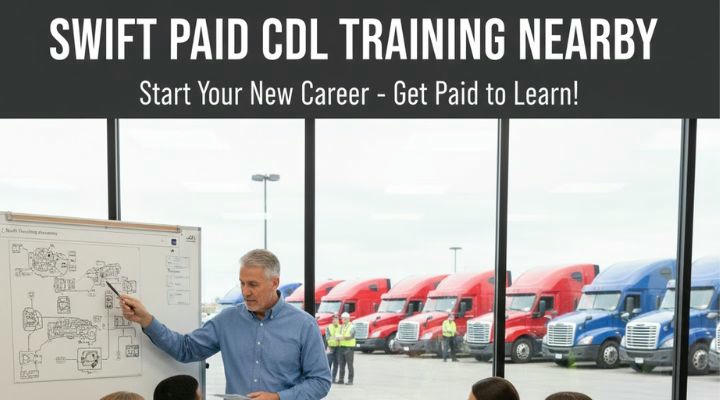
Eliminating the Financial Hurdle: CDL Paid Training Makes Trucking Careers Accessible
Training to become a licensed Class A truck driver can be expensive—tuition, travel, lodging, and materials add up quickly. Paid Cdl Training Nearby programs reduce these costs dramatically. Instead of paying thousands upfront, students often only cover minimal items such as food or permit fees while companies sponsor the training.
Many companies also provide:
- Lodging
- Transportation
- Tuition assistance
- A job offer after graduation
In return, new drivers typically agree to work for the carrier for a set period—usually around two years—allowing them to start earning immediately while gaining real-world experience.
Inside the CDL Paid Training Experience: Hands-On, Expert-Led Instruction
Paid CDL training provides structured, high-quality instruction that prepares trainees for the realities of professional driving. Training typically includes:
- On-road practice with late-model training trucks
- Backing, shifting, and maneuvering exercises
- Cargo and equipment handling
- Safety protocols and defensive driving
- Guidance from experienced Class A instructors
Some carriers even offer advanced upgrade programs post-graduation, helping drivers sharpen their skills while getting paid.
Special Opportunities: Veterans, First Responders, and Diverse Trainee Pathways
Many CDL carriers offer additional support for:
- Veterans transitioning to civilian careers
- First responders
- Women entering trucking
- Career changers
- Individuals seeking team-driving opportunities
Some programs include scholarships or training grants, making entry easier for people with diverse backgrounds and goals.
What Are the Real-World Benefits of CDL Paid Training?
Choosing a Paid Cdl Program offers several long-term advantages:
- Immediate access to job opportunities
- Competitive starting pay right after earning your CDL
- Clear career advancement into mentorship or fleet roles
- Ability to enter specialized divisions for higher earnings
- Structured schedules supporting work-life balance
These benefits create a realistic pathway to financial independence and long-term career stability.
Navigating the Application: What to Expect and How to Succeed
Applying to a paid CDL training program typically involves:
- Meeting age and licensing requirements
- Completing the carrier’s online application
- Passing background and physical screenings
- Attending orientation and onboarding
- Beginning How to Get Cdl License coursework and training
- Taking and passing the CDL permit and road tests
- Transitioning into a paid driving role
This structured process ensures new drivers feel supported from enrollment through employment.
Success Stories: Changing Lives Through Opportunity
Each year, thousands of Americans—from veterans to recent graduates—enter trucking thanks to Paid Cdl Training Nearby programs. These opportunities offer more than just a job—they provide stability, a path to career advancement, and a chance to build a strong future for themselves and their families.
Summary
This guide explored:
- How Paid Cdl Program options eliminate financial barriers
- The structure of paid CDL training
- Special pathways for veterans and new career seekers
- Steps involved in How to Get Cdl License
- Long-term benefits and career advancement opportunities
For many aspiring drivers, CDL paid training isn’t just a program—it’s a doorway to a new life and a secure career in one of America’s most essential industries.