Accessing affordable family legal aid is essential for low-income families facing challenges such as divorce, child custody disputes, and domestic violence. High legal fees can feel overwhelming, but trusted solutions do exist. This guide outlines practical ways to find subsidized legal aid, low-cost legal services, and additional family support resources, helping families protect their legal rights and achieve long-term stability without unnecessary financial strain.
Understanding Legal Aid: What It Is and Why It Matters to Families
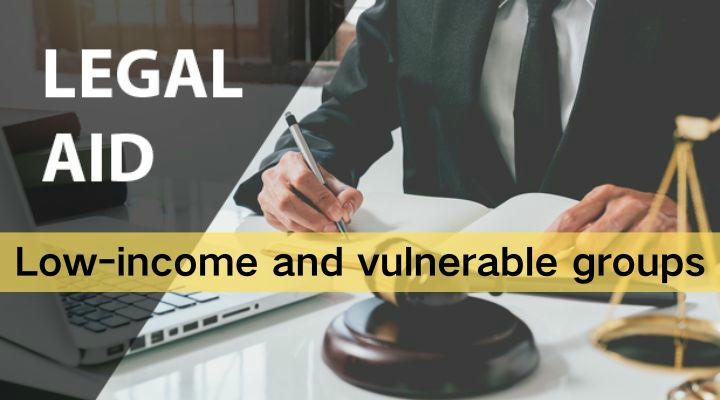
Legal aid refers to subsidized or low-cost legal assistance provided to individuals who cannot afford a private attorney. In the United States, the right to legal representation is guaranteed in criminal cases, but not in most civil legal matters, leaving many families vulnerable during serious issues like divorce proceedings, custody cases, or domestic violence protection.
Legal aid organizations help bridge this gap by offering professional legal guidance, clear legal information, and step-by-step assistance through the court system. These services often prioritize seniors, veterans, children, and abuse survivors, ensuring greater access to justice and helping families maintain financial and social stability during crises.
Identifying Affordable Family Law Resources in Your Community
Finding reliable family law resources begins with knowing where to look. Most U.S. regions are served by legal aid offices, non-profit legal clinics, and courthouse self-help centers. These programs may offer walk-in assistance, phone hotlines, and online legal tools.
National directories such as the Legal Services Corporation and platforms like LawHelp help families locate reputable legal assistance providers. Additional community-based resources include university law clinics, non-profit organizations, and scheduled pro bono legal advice events.
Eligibility criteria often depend on household income, typically between 125% and 200% of the federal poverty level, though case type and residency requirements may also apply. Most services require intake screening to verify eligibility.
Practical Steps to Access Legal Aid: Eligibility and Application
Applying for subsidized legal aid usually involves a brief eligibility screening. Families may need to provide proof of income, household size details, and information about the legal issue. For individuals facing domestic violence, eligibility is often prioritized, regardless of income level.
Many organizations offer online pre-screening tools, allowing families to check qualifications in advance. Once approved, support may include legal advice, document preparation, and in some cases, court representation.
Preparation tip: Gathering court notices, pay stubs, and identification documents before an intake appointment can streamline the process and maximize available support.
Exploring Low-Cost and Pro Bono Legal Services for Family Law Cases
Even if a family does not qualify for fully subsidized aid, several affordable legal options remain available:
- Limited scope representation, where an attorney assists with a specific part of a case
- Unbundled legal services, allowing clients to pay only for essential legal tasks
- Community legal clinics, often operated by supervised law students at reduced rates
- Sliding-scale fee services, with costs adjusted based on income
- Pro bono attorneys, who provide no-cost representation to eligible clients
Pro bono legal services are especially valuable in high-stress cases involving custody disputes or domestic violence, enabling families to navigate complex legal systems without added financial pressure.
Beyond Legal Help: Complementary Resources Supporting Family Stability
Legal challenges often overlap with housing instability, financial hardship, or emotional stress. Many legal aid organizations coordinate with or refer families to complementary support services, including counseling, parenting classes, support groups, and financial assistance programs.
Additional support may involve help with public benefits applications, housing assistance, victim compensation, and healthcare access. This holistic approach ensures families not only resolve legal matters but also build a stronger foundation for the future.
Table: Types of Legal Aid and Support Services
| Service Type | Description | Who It Helps |
|---|---|---|
| Legal Aid Offices | Legal advice and case support | Low-income families |
| Public Legal Clinics | Help with forms and legal questions | General public |
| Pro Bono Attorneys | Full case support at no charge | Vulnerable or very low-income individuals |
| Sliding-Scale Services | Fees adjusted based on income | Moderate-income earners |
| Stability Resources | Counseling, benefits, and education | Families seeking overall stability |
Affordable legal aid is more than temporary assistance—it ensures every family, regardless of income, has a fair opportunity to protect their legal rights, preserve family well-being, and move forward with confidence.